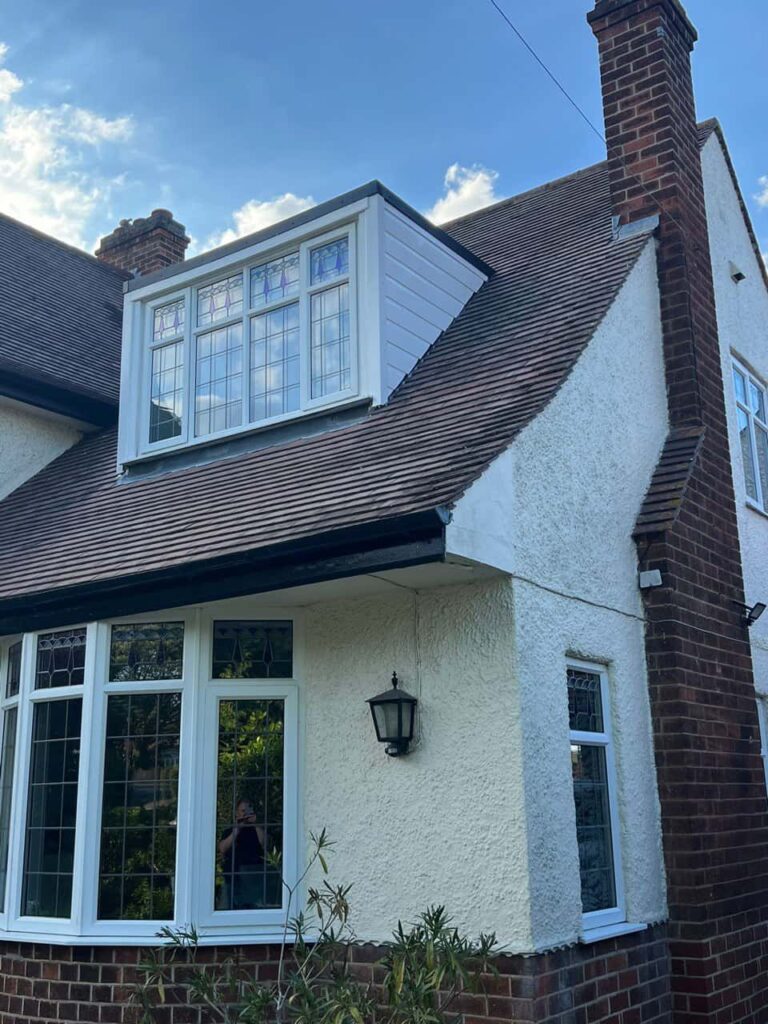
Repairs can extend the useful life of an older roof when defects are localised and the surrounding materials remain sound. However, some roofs continue to develop leaks, loose tiles and other weaknesses despite receiving attention on several occasions.
This does not necessarily mean that the previous work was ineffective. As a roof ages, different components may deteriorate at different rates. Repairing one section can resolve the immediate fault while another ageing area begins to fail elsewhere. Understanding this distinction is essential when deciding whether further localised repairs remain appropriate.
Why Repeated Roof Repairs May Not Resolve the Wider Problem
A roof is a complete system made up of tiles or slates, underlay, battens, flashing, mortar, drainage details and structural timbers. Each element must work correctly to keep the property protected.
An older roof may remain problematic when:
- Defects are developing across several areas
- Surrounding materials are becoming brittle or porous
- The underlay has deteriorated beneath the covering
- Battens or fixings no longer hold materials securely
- Leadwork and mortar are failing at multiple junctions
- Moisture has spread beyond the original repair
- Previous work addressed symptoms rather than the underlying cause
- Different generations of repairs no longer perform as one system
A thorough roof assessment can establish whether the latest issue is genuinely isolated or part of broader deterioration.
Roofing Materials Do Not Age at the Same Rate
Tiles, flashing, underlay and mortar have different functions and respond differently to weather exposure. A section of cracked mortar may be repaired successfully, yet nearby leadwork could later split or lift. Similarly, replacing several damaged tiles will not prevent other weathered tiles from deteriorating over time.
This staggered ageing can create the impression that the same problem keeps returning when separate components are actually failing in sequence. Assessing the entire roof provides a clearer picture than concentrating only on the latest visible defect.
Localised Repairs Cannot Restore Widespread Wear
A repair is most effective when the defect has clear boundaries and the adjacent materials remain dependable. If deterioration extends across a large proportion of the roof, isolated work may only treat one small part of a broader problem.
Warning signs of widespread wear can include:
- Numerous chipped, cracked or displaced tiles
- Repeated leaks in unrelated areas
- Loose ridge or hip tiles across several sections
- Widespread mortar deterioration
- Brittle roofing materials that are easily disturbed
- Several previous repairs visible across the covering
In these circumstances, each repaired area may perform correctly while another weak point develops nearby.
The Underlay May Have Reached the End of Its Useful Condition
The underlay beneath tiles or slates provides an additional layer of protection against wind-driven rain. It can become brittle, torn or degraded with age, although its condition may not be visible from outside.
Replacing individual tiles will improve the outer covering, but it cannot restore underlay that has deteriorated across a wider area. Water entering through a small external gap may therefore travel beneath the covering before appearing inside the property.
A professional inspection can help determine whether the fault is limited to the surface or involves concealed roofing materials.
Battens and Fixings Can Become Less Reliable
Tiles and slates depend on secure battens, nails, clips or other fixings. Over time, these components may weaken through corrosion, timber deterioration or repeated movement.
A tile that slips after earlier repairs may indicate more than a problem with the tile itself. If the supporting batten or fixing point is no longer sound, simply repositioning the covering may not provide a dependable result.
Checking the materials beneath the affected section helps ensure that a repair restores secure support as well as weather resistance.
Water May Be Entering Somewhere Else
The internal position of a leak does not always reveal where water entered the roof. Moisture can travel along underlay, rafters and roof junctions before reaching a ceiling or wall.
A recurring damp patch may therefore have several possible causes, including damaged flashing, a valley defect, displaced tiles or a weakness around a roof penetration. If the entry route is not traced accurately, work may be completed near the visible symptom while the original fault remains active.
Professional leak investigation considers how water moves across and beneath the roof, rather than relying solely on the location of internal staining.
Multiple Repairs Can Create Inconsistent Details
Older roofs sometimes contain work completed at different times using varying materials and methods. Each repair may have been suitable for the defect present at the time, but numerous alterations can create uneven junctions or place additional strain on adjoining areas.
This is particularly relevant where patches meet weathered materials or where renewed mortar and flashing connect with older sections. The roof should be assessed as a whole to establish whether the different areas still form an effective weatherproof system.
When Is Another Repair Still Appropriate?
Further repair may remain a sensible option when:
- The new defect is clearly localised
- Most of the roof covering remains secure
- The structure and supporting materials are sound
- Water ingress has one identifiable cause
- Previous repairs continue to perform correctly
- The affected section can be integrated reliably with the surrounding roof
The age of the roof alone does not determine the answer. Its overall condition, repair history and pattern of defects provide more useful evidence.
When Should a Broader Solution Be Considered?
A more extensive roofing solution may be appropriate when problems repeatedly appear across different sections or when several layers of the system have deteriorated. Persistent leaks, widespread material failure, damaged underlay and unreliable fixings can indicate that localised repairs are no longer addressing the roof’s overall condition.
A detailed assessment should distinguish between repairable faults and deterioration that affects the roof as a complete system. This avoids continuing with isolated work when a broader approach would provide more dependable protection.
Conclusion
An older roof can remain problematic after several repairs because individual components often deteriorate at different times. Localised work may resolve each immediate defect without addressing widespread ageing, concealed underlay damage or weakening support materials.
MCM Roofing Repairs Shaftesbury can assess ageing and repeatedly repaired roofs in Shaftesbury, Dorset, identify the source and extent of the deterioration, and recommend an appropriate course of action. If your roof continues to develop problems, contact the team to arrange a professional inspection.
Call us on: 01747 440 678
Click here to find out more about MCM Roofing Repairs Shaftesbury
Click here to complete our contact form and see how we can help with your roofing needs.